Test what you’ve learned in a practice shop.
The field test is a practice shop with seven dark patterns and one honest feature. Flag what you notice, then check your answers. Nothing you do is recorded.
A countdown or a low-stock warning tells you to decide now, often when there is no real deadline at all.
It combines Mathur et al.’s (2019) “urgency” (countdown timers, limited-time messages) and “scarcity” (low-stock and high-demand messages), and it is also called false scarcity or fake countdowns.
What it costs you
Money spent before you compared, and sometimes more of it, because a false deadline is designed to stop you finding the cheaper option.
Specimen
2 hotels match · 14–16 Nov · 1 room
Harbour View Hotel
Alfama · ★ 8.6 · Breakfast included
$254
$189 /night
⏱ Deal ends in 10:00
Only 2 rooms left at this price!
14 people are looking at this hotel right now
Casa do Rio
Baixa · ★ 8.7 · Breakfast included
$176 /night
Free cancellation until 24 hours before check-in.
You’re booked!
Harbour View Hotel
$189 /night
⏱ Deal ends in 10:00
1Only 2 rooms left at this price!
214 people are looking at this hotel right now
3Harbour View Hotel
Alfama, Lisbon · ★ 8.6
$189 /night
Autumn rate until 31 October. From 1 November this room is $254 a night.
Free cancellation until 24 hours before check-in.
Take your time.
The rate holds until 31 October, whether you book now or next week.
Clocks, counters and stock levels turn up wherever a quicker decision is worth money to the seller.
Before you reveal each answer, decide which of the six attributes the example relies on.
A banner counts down to midnight. The next morning, a new sale is counting down to the next midnight.
A deadline that is always about to pass isn’t a real deadline. Its purpose is to stop you leaving to compare prices.
A plain T-shirt, in a common size, shows “Only 3 left”. It shows the same thing next week.
Low-stock messages are easy to fake, and studies of shopping sites have found some that were set to appear every time.
Items are “reserved” for ten minutes. When the timer runs out, they’re still there.
A reservation timer makes sense for numbered seats. On a jacket that isn’t scarce, it only adds pressure.
A course discount ends “today”, every day.
The deadline is counted from your first visit, so opening the page in a private window starts the clock again.
Urgency and scarcity work by taking away time. A countdown or an “only 2 left” message says that if you stop to think, compare or wait, you will lose out.
Sometimes the message is true, but often it isn’t. Mathur et al. (2019) found 393 countdown timers across 11,000 shopping sites, and by revisiting them found 157 deceptive timers on 140 sites: timers that reset when they ran out, or offers that stayed available after the deadline passed. They also found 632 low-stock messages. On 17 sites, the stock figures were generated by a script, falling on a schedule or chosen at random, rather than counted. Several came from off-the-shelf plug-ins sold to make shops look busier.
The evidence on whether it works is mixed. In Luguri and Strahilevitz’s (2021) experiments, scarcity and countdown messages did not significantly increase how many people accepted the offer, unlike hidden information or social proof. A false deadline is still a false claim, and several of the laws below treat it as unfair whether or not it changes behaviour.
Some business owners are uneasy about countdown timers as well. Small-business owners interviewed by Harr and Nyberg (2021) judged urgency messages by whether they were true, and found a countdown timer more manipulative than giving the same information another way.
In the terms of Mathur et al. (2021), these messages are covert, because they raise the pressure without you noticing why, and often deceptive, because the deadline or the stock level is invented.
Door-to-door sellers of encyclopaedias, vacuum cleaners and home improvements were known for telling customers that the price was only good today, so that they signed before they could think it over, compare or ask anyone.
In 1972 the US Federal Trade Commission responded with the Cooling-Off Rule, which let buyers cancel many door-to-door sales within three days.
Read the chapter: Mail, credit & the negative option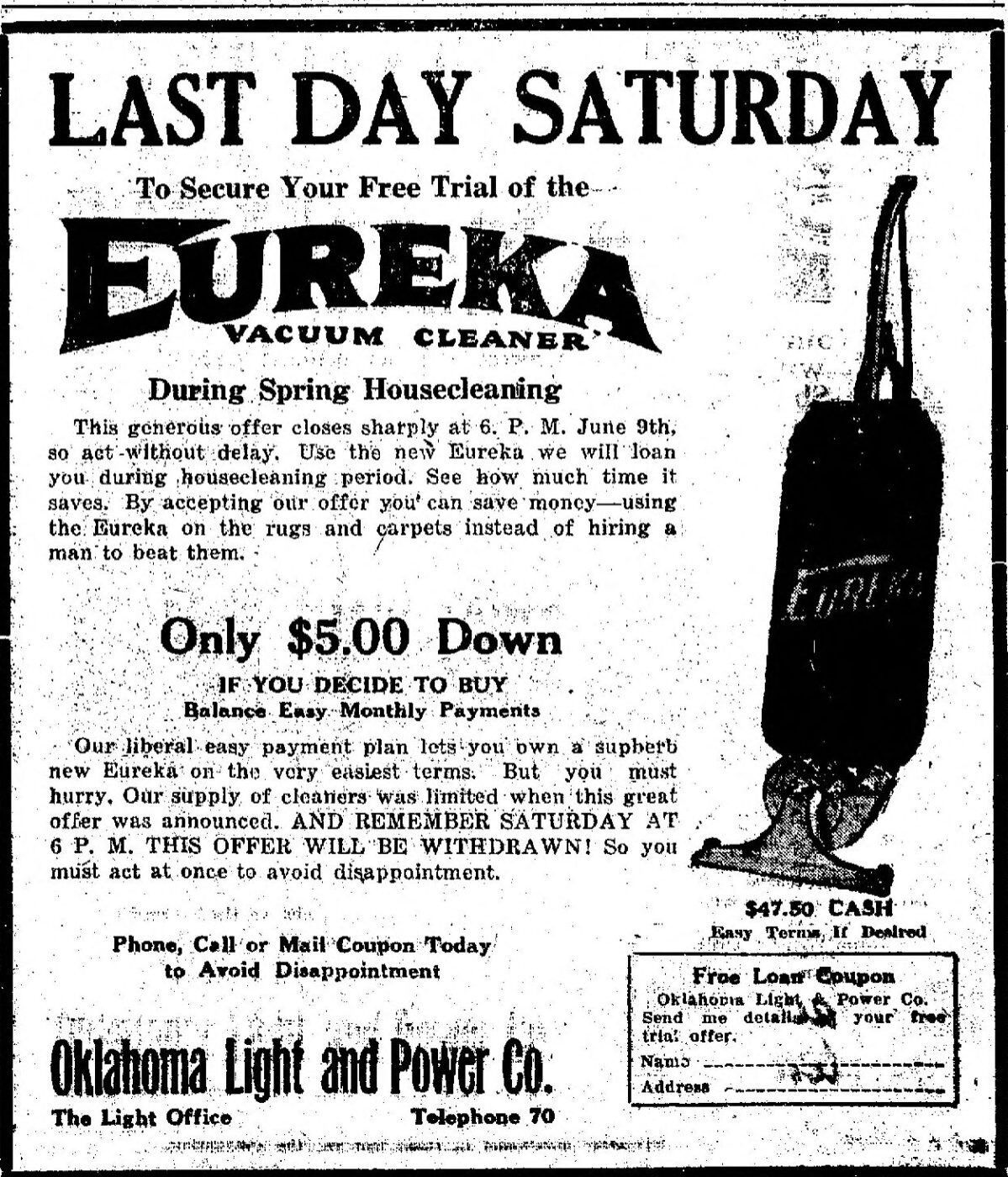
State real end dates and real stock levels, and remove any message whose only purpose is to hurry people.
Activity
Find an example
Look for this pattern in an app or website you used this week. Note the date, what you saw, which of the six attributes it relies on and how you would make it honest. If it’s a clear example, send it to us.
Last reviewed October 2026. A summary, not legal advice.
Artificial urgency & scarcity. (2026). In Deceptive by Design: A history and field guide to manipulative interfaces. https://deceptivebydesign.org/patterns/artificial-urgency/
Test what you’ve learned in a practice shop.
The field test is a practice shop with seven dark patterns and one honest feature. Flag what you notice, then check your answers. Nothing you do is recorded.